What’s it like living in Northampton?
Geography and Housing in Northampton
Northampton, situated in the East Midlands of England, is known for its strategic position and rich history. The town is primarily flat with areas of gentle hills and it sits along the River Nene, which has played an important role in its development. This geographical layout has influenced both the housing market and property types in the area.
Landscape and Property Types
The town’s landscape is a blend of urban development and natural green spaces. Properties in Northampton range from period homes in the town centre to newer developments on the outskirts. In areas like Abington and Kingsthorpe, you’ll find a mixture of Victorian and Edwardian terraced houses, while modern housing estates can be found in areas like East Hunsbury and Wootton. These suburbs offer a mix of semi-detached homes, modern detached houses and some smaller flats or maisonettes.
The River Nene also runs through parts of the town and properties along the river tend to have higher demand. As with many towns in the UK, the type of property you’ll find in Northampton will depend largely on the area you’re looking to move to. Areas further away from the town centre, such as Duston and Hardingstone, are typically home to more modern homes, including newly built developments.
Impact of Geography on Housing Choices
The flat nature of Northampton’s geography makes it an attractive area for those seeking properties with easy access to public transport and main roads. The town has strong road connections, such as the M1 motorway, which links Northampton to London, Birmingham and other major cities. This ease of access is an appealing factor for many homebuyers, particularly those who commute for work or wish to live in a quieter, suburban setting with access to nearby urban centres.
Properties near the River Nene may come with flood risks, particularly those in the low-lying areas. Homebuyers should consider this when choosing properties in these locations. The proximity to parks, nature reserves and green spaces also adds to the town’s appeal, making it an attractive option for families and individuals seeking outdoor activities.
Unique Attributes of Northampton
Northampton’s unique character is shaped by its history and cultural significance. Once known as the “shoe-making capital” of the world, the town has a deep connection to the leather industry, with many historic buildings, such as those along Guildhall Road and St. Giles’ Street, serving as reminders of its past. Today, Northampton retains a mixture of industrial heritage and modern developments, offering both history and contemporary living.
Historical Landmarks
One of the most iconic landmarks is the 12th-century Northampton Castle, located near the town centre. Though much of it has been dismantled over the years, parts of the castle remain, including the original gatehouse and remnants of its walls. Northampton also features beautiful churches such as All Saints’ Church and the Church of the Holy Sepulchre, each with its own historical significance.
Cultural Significance
Northampton is also home to the Northampton Museum and Art Gallery, where visitors can explore exhibits ranging from local history to contemporary art. The Royal & Derngate Theatre offers a wide variety of performances, contributing to the town’s lively cultural scene. Whether you’re interested in history, arts or outdoor activities, Northampton offers a wealth of options for exploration.
For homebuyers, this blend of old and new makes the town an appealing place to settle. The town is also known for its community spirit, which can be seen through various local events such as the Northampton Carnival and the Northampton Food Festival. These events often draw both residents and visitors, showcasing the best of local talent, food and traditions.
Neighbourhoods and Amenities in Northampton
Northampton is home to a variety of neighbourhoods, each offering different lifestyles and amenities. Whether you are looking for a bustling town centre with all the conveniences or a more relaxed suburban setting, Northampton has something to offer.
Town Centre and Surrounding Areas
Northampton’s town centre is vibrant and well-equipped with shops, restaurants and bars. The Market Square, surrounded by historic buildings, serves as a central point for shopping and socialising. The area is also home to the Grosvenor Centre, a modern shopping mall with a wide variety of retail outlets, making it a key attraction for those living in the town.
For those looking for a quieter neighbourhood, areas like Abington and Kingsthorpe are popular. These areas offer a good balance of residential housing and proximity to local amenities such as schools, parks and shops. The local parks, such as Abington Park and Racecourse Park, are particularly well-regarded, offering green space for leisure activities and family days out.
Educational Facilities
Northampton is home to a wide range of educational facilities, from primary schools to further education options. Popular schools in the area include Northampton School for Boys and Northampton High School, both well-regarded in terms of academic achievement and extracurricular offerings. The University of Northampton also offers higher education opportunities, providing a range of undergraduate and postgraduate courses. The presence of these educational institutions adds to Northampton’s appeal for families and young professionals alike.
Local Amenities
Beyond schools and parks, Northampton has all the local amenities expected from a large town, including doctors’ surgeries, dental practices and supermarkets. Public transport is also reliable, with frequent bus services and a mainline railway station offering direct routes to London and Birmingham. The M1 motorway provides easy access for drivers, connecting the town to major cities and the rest of the country.
Architectural Traits and Building Materials in Northampton
Northampton’s buildings showcase a variety of architectural styles, reflecting the town’s rich history. Many older properties are constructed from local stone or brick, particularly in areas like the town centre and around the river. You’ll find examples of Georgian, Victorian and Edwardian buildings alongside 20th-century developments in areas like Duston and Wootton.
Typical Architectural Styles
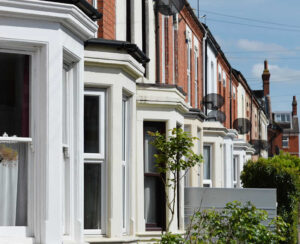
Period properties in Northampton often feature red or yellow brickwork, with many homes dating back to the late 19th and early 20th centuries. Victorian terraced houses are common in areas like Abington, while more grandiose detached homes can be found in Kingsthorpe and beyond. These older homes often come with features such as bay windows, fireplaces and detailed woodwork, adding to their appeal.
Newer developments, particularly on the outskirts of Northampton, tend to feature modern materials like render, brick and cladding. These homes are often built with energy efficiency in mind, offering double glazing, insulation and modern heating systems to reduce running costs.
Implications for Homebuyers
When considering a property in Northampton, it is important to be aware of the maintenance requirements for older homes. Period properties may require more upkeep than modern houses, particularly when it comes to issues such as damp, roof repairs and updating older plumbing or electrical systems. However, these homes often offer larger living spaces and unique character features that newer properties may lack.
Flooding Risk in Northampton
As with many areas in the UK, Northampton has certain areas that are at risk of flooding, particularly those near the River Nene. Homebuyers should be aware of local flood risks, especially if purchasing a property in a low-lying area near the river. The Environment Agency provides up-to-date flood maps and guidance on flood risks in these areas, which can help potential buyers assess the situation.
Radon Levels
Radon is a naturally occurring gas that can be found in certain areas of the UK, including parts of Northampton. While radon levels are generally low in the town, it is worth checking if a property is located in a radon-affected zone. Radon testing can be carried out as part of a home survey and buyers are advised to consider mitigation options if high levels are found.
Transportation and Connectivity in Northampton
Northampton offers excellent transportation links, making it an attractive location for commuters and those seeking easy access to major cities.
Road Networks
The M1 motorway is a key route for those living in Northampton, providing fast connections to London, Birmingham and the North. The A45 and A43 roads also connect the town to nearby areas, making it easy to travel to neighbouring towns and cities.
Rail Connections
Northampton railway station is well-connected, with regular services to London Euston taking around an hour. There are also connections to other major cities, including Birmingham and Manchester, making the town an ideal choice for those who need to travel frequently for work or leisure.
Public Transport
The town benefits from a comprehensive bus network, with regular services to surrounding areas and the town centre. The buses are reliable and provide good coverage for those without access to a car. Additionally, the town is well-served by cycling routes, making it an attractive option for eco-conscious commuters.
Where is the best place to live in Northampton?
Northampton offers a diverse selection of neighbourhoods to suit different lifestyles and budgets. Let’s look at some of the town’s most popular areas:
- Abington: An affluent area located west of the town centre, Abington features a range of period homes, from Victorian terraces to Edwardian estates. This area is also known for its independent shops and restaurants and close proximity to Northampton Racecourse, popular for horse racing and other events. If you’re looking for a vibrant community with a touch of history, Abington could be a perfect fit.
- Kingsthorpe Village: Steeped in history, Kingsthorpe Village offers a charming and friendly atmosphere. This area is popular with families due to its excellent schools and abundance of green spaces, including Kingsthorpe Recreation Ground and Bradlaugh Fields. Residents also enjoy a variety of restaurants, pubs and local shops, all within walking distance.
- Wootton: Situated south of the M1 motorway, Wootton offers a desirable semi-rural lifestyle with easy access to the town centre. This area features a variety of housing options, from traditional stone-built cottages to modern apartments and larger family homes. Families will appreciate the highly-regarded schools in the area, while everyone can enjoy the local amenities, including a supermarket, pharmacy and dental practice.
- Weston Favell Village: Weston Favell Village is another family-friendly area offering a wide range of housing options to suit different budgets. Residents enjoy a large medical facility, convenient shopping centre and several parks and green spaces for outdoor recreation. With good road links to the town centre, Weston Favell Village provides a peaceful environment close to all the amenities Northampton has to offer.
- East/West Hunsbury: These popular suburban areas are situated to the southwest of Northampton and offer a perfect mix of affordability and community spirit. Both East and West Hunsbury have good schools, parks and easy access to major roads. If you’re looking for a welcoming neighbourhood with a close-knit feel, East or West Hunsbury could be your ideal place to live.